What Does 'Permanent' Mean for Hair Extensions?
Permanent doesn't mean forever, and it doesn't mean stuck. The word gets used loosely across the extension industry, and it means something different depending on who's saying it. At our Bend chair, sorting that out is the first thing we do in almost every extension consultation. The answer shapes your calendar, your at-home routine, and the commitment you're saying yes to.
What does "permanent" mean with our extensions?
Permanent extensions stay in your hair day and night between appointments. A stylist installs them and a stylist removes them, and they hold through showers, workouts, and sleep. They are not permanent in the sense of lasting forever. Your own hair keeps growing, so the extensions are moved up on a schedule, and they come out any time you want a break or a change.
That's the whole definition. Anything you put on yourself and take off before bed is temporary, no matter how good it looks in photos. Ours aren't like that. Once installed, they live in your hair full time until a stylist removes them.
Permanent has limits, too. It doesn't mean the same section of hair holds the same row for a year. It doesn't mean your natural hair changes in any lasting way. And it doesn't mean the extensions take care of themselves.
We don't sell one method off a shelf. Our team trained across multiple certified installation approaches and built our own way of doing this from that training. It's matched to your head shape, your hair's density, and how you live day to day. Think of it like shoe sizing. Two guests can ask for the same length and walk out with completely different setups, because their hair carries weight differently. A finer, lower-density head needs fewer rows and lighter wefts to avoid tension at the root. A thicker, coarser head can carry heavier wefts and different spacing without stress on the scalp. Your hair tells us which pieces of which training we use for you. That's the part a lot of extension marketing skips.
Here's what's happening once your extensions are in. Your own hair is sectioned into small, even rows built off a map we create at your first visit. Each row anchors a weft using an approach chosen for your hair, not a one-size-fits-all method. Your natural hair keeps growing at roughly half an inch a month. As it grows, the row rides lower on the strand. Left too long, it starts to feel loose and heavy at the base. That's why a move-up exists.
So the honest phrasing is this: your extensions are worn permanently and maintained on a schedule. Both halves are true. Neither one works without the other.
- What it does. Worn full time (installed and removed by a stylist): Adds length and fullness that stays in through showers, workouts, and sleep. Worn and removed yourself: Adds length or volume for a single event or a short stretch of days.
- Who it suits. Worn full time (installed and removed by a stylist): Guests who want one look, every day, without daily styling decisions. Worn and removed yourself: Guests who want an occasional change with no ongoing schedule.
- How long it holds. Worn full time (installed and removed by a stylist): Weeks between visits, with the hair itself lasting well beyond that. Worn and removed yourself: A few hours to a few days at a time.
- Upkeep. Worn full time (installed and removed by a stylist): Scheduled move-ups plus a daily at-home routine. Worn and removed yourself: Stored between wears, no ongoing appointments.
How often do the rows need to move up?
Most of our guests land in a six to eight week rhythm between move-ups. That's not a rule we read off a chart. It's what we see behind the chair once we watch how a guest's rows ride between visits.
The rhythm comes back to density. Rows on finer, lower-density hair are built lighter, and we watch those closely, because a row that rides low on fine hair is felt sooner. Rows on thicker, coarser hair carry more weight without stress, so those guests often have more room in the calendar. Either way, the map from your first install sets the starting point. How your hair behaves between visits adjusts it from there.
The tell is simple. When the base starts to feel loose or heavy, or you catch yourself pushing a row back up with your fingers, you're due. Don't wait for it to tangle.
One scheduling note matters here. Our Bend chair runs part of each month, not every week. If you're timing a move-up or a removal around travel, a wedding, or ski season, raise it at your consultation before you commit to dates. We'd rather plan it with you than have you push a move-up because the chair wasn't open the week you wanted.
What happens at a move-up?
A move-up follows the same four steps every time, and knowing them is the fastest way to understand why your hair is never left bare for long.
- Release the row. The connection holding the row in place is released and the extension comes free.
- Check the base. Before anything goes back in, we look at the natural hair that was under the row. We're checking for tension marks, thin spots, or breakage. We're also checking for buildup from dry shampoo and styling product, which collects faster in Bend's dry air. That gets washed out here.
- Reset it higher. The row is repositioned to sit close to your scalp again, following the map built at your first install.
- Reattach with fresh materials. The same wefts go back in with fresh materials, matched to your hair, never reused hardware from the last visit.
Done right, you walk out with full hair sitting tighter and flatter than it did that morning. No bare sections. No visible tension at the root. Hair often feels lighter afterward, and that's the base cleanse doing its job.
We call these move-ups on purpose, not "maintenance appointments." Nothing is being repaired. Your hair grew, and the extensions have to follow it. A move-up runs shorter than your first install, because the map is already built for your head shape. We're not deciding placement again from scratch.
How does Bend change the at-home routine?
Bend's high-desert air and strong summer UV don't change whether extensions are permanent, but they change how the hair feels between visits. We build both into your at-home plan.
Central Oregon's dry air pulls moisture out of extension hair the same way it does your skin. Extension hair isn't attached to a scalp. It never gets natural oil. Everything it needs, you have to give it, and here it needs more than it would somewhere humid.
Sun matters too. UV fades color and dries out the cuticle faster at this elevation. Rinse and condition after river or lake days in the summer. Sediment and sun both pull moisture out of hair that's already working harder than usual. Skip sulfate-heavy shampoo year round, since it strips a cuticle that can't replace its own oil.
If you're coloring your hair too, keeping color and extensions in one chair keeps the product choices and the timing consistent. That matters more here than it would somewhere humid.
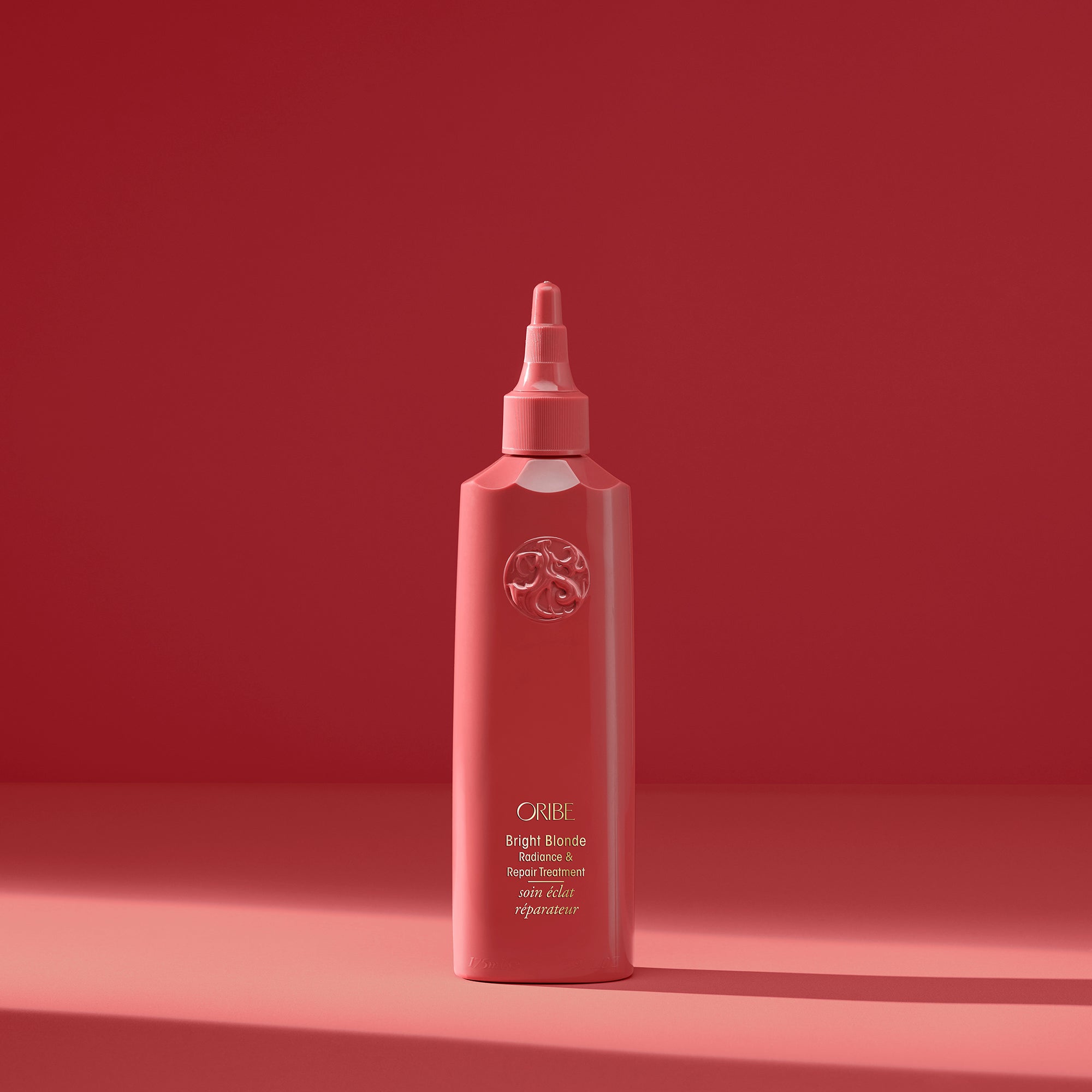
We send every guest home with Oribe in a specific order: cleanse and condition first, then a leave-in step for the ends. That order isn't fussy. It's the difference between weft hair that stays soft through many move-ups and weft hair that goes dry and tangly by the second one.
How long does the hair itself stay usable?
Quality weft hair gets worn through many move-ups before it retires, while the install itself is refreshed every six to eight weeks. Those are two separate lifespans. Mixing them up is the main reason people misread the word permanent.
- What determines its life. The install (the row): How closely you keep your move-up schedule. The hair (the weft): How you handle heat, water, and brushing between visits.
- Typical rhythm. The install (the row): Refreshed every six to eight weeks. The hair (the weft): Can carry you through many move-ups before it's retired.
Our in-house K + M Genius Wefts are Russian hair. The reason that grade costs more is that it keeps its softness and shine across a long run of reinstalls instead of dulling after a few.
Guests who've worn extensions with us for years say some version of the same thing once they get past the first few months. One guest put it plainly in a Google review: "I can't live without them, please believe!" That's not an exaggeration on our end. It's what years of the right maintenance feels like, day to day.
What shortens weft life:
- Heat styling directly on the wefts without protection
- Sleeping with the hair loose and wet
- Skipping conditioner on the mid-lengths and ends
- Swimming without rinsing right after
- Letting a move-up slide two or three weeks past due, so the row tugs and mats at the base
- Sulfate-heavy shampoo
- Brushing from the root down instead of starting at the ends
None of these ruin hair overnight. They add up. A weft that could have carried you through a year of move-ups gets retired early, and that's money you didn't need to spend.
How do extensions come out, and what's left?
Removal is the fastest part of the whole process, and most full removals at our chair take well under an hour. Each row's connection is released and the extension lifts off. No solvent. No heat. No picking at anything.
What your hair looks like afterward is the real question people are asking when they ask if this is permanent.
You'll see some shed hair when the rows come out. That's not damage. Your head sheds a normal amount every day, and hair that would have fallen weeks ago has been held in place by the row. It comes out all at once at removal, which looks dramatic and is completely expected.
Your natural hair will feel thin for a day or two. That's a perception issue, not a hair issue. You've been living with fuller hair, and your baseline reset.
If the rows stayed on schedule and were installed correctly, there should be no tension marks and no broken sections. When we do see breakage at removal, it almost always traces back to a move-up that ran long, or a row installed too tight somewhere else. That's why we're careful about who we install on. If your hair isn't ready, we'll say so and give you a plan to get it there first. We've been installing extensions since 2012 at our home studio, and that judgment comes from years of removals, not one season of them.
What people get wrong about permanent extensions
The biggest mistake is treating "permanent" as a reason to skip the calendar. Guests hear the word and assume the extensions take care of themselves. Then week ten arrives, the rows are hanging low, the base has started to tangle, and the appointment that should've been a routine move-up turns into a detangling session first.
The second mistake is the opposite. Some guests assume permanent means they're committed for good. You're not. You can book a removal instead of a move-up any time you want out.
The third is expecting the same hair to look brand new for years. Even luxury weft hair has a working life. Part of our job is telling you plainly when a weft has given what it has to give, rather than reinstalling something tired because it's easier.
The fourth is assuming every permanent extension approach wears the same. It doesn't. That's exactly why we don't hand out one method to every guest who walks in. What you share at your first consultation helps us figure out which approach fits your hair. How we match guests with the right stylist plays into that too, since experience level changes how a row map gets built.
The guests who love their hair longest share one habit. They book the next move-up before they leave the chair.
Frequently Asked Questions
Can I take my extensions out myself?
Please don't. Removal needs a specific tool and technique to release cleanly, and forcing it pulls your own hair out with it. A professional removal takes well under an hour, and it protects the natural hair growing underneath.
Do permanent extensions stop my own hair from growing?
No. Your hair grows at its normal rate underneath the rows, which is exactly why move-ups exist. We often see guests keep more length while wearing extensions, because their natural ends are protected from daily heat and friction instead of taking the brunt of it.
What do washing and sleeping look like in week one?
Wash with the base in mind and never go to bed with the hair wet. Cleanse, condition the mid-lengths and ends, then put a leave-in on the ends. Braid it loosely before sleep so the rows stay clean and don't tangle, and brush from the ends up, not from the root down. It feels like a lot the first few days, then it's just your routine.
Can I switch between wearing them and not wearing them?
Yes. Extensions come out and go back in without harm to the wefts, as long as they're stored properly between appointments. Some guests wear them through certain seasons and take a break in others. You book a removal instead of a move-up, and the wefts wait for you.
What happens if I miss a move-up?
Most guests move up every six to eight weeks, and running one or two weeks past that is usually fine. Beyond that, the row slides lower, feels heavier, and can start to tangle at the base. The appointment runs longer and the risk to your natural hair goes up, so we'd rather see you a little early than a lot late.
Is a move-up as long as the first install?
No, it runs shorter. The map for your head shape is already built, so we're releasing, resetting, and reattaching rather than deciding placement from scratch. The base cleanse and a check of the natural hair under each row happen every time.
Are extensions durable enough for travel or sports?
Yes, that's what they're built for. They hold up through running, skiing, hot yoga, and river days, though you'll want to rinse and condition after any swim. Braid your hair before any workout and the row stays clean and secure. Where the rows sit gets decided at your consultation. That placement is also what makes a ponytail or a high bun possible without any of it showing.
Ready to talk it through?
If you're deciding whether a full-time extension plan fits your hair and your schedule, the easiest first step is a consultation. Text us a photo of your hair and an inspiration picture, and we'll walk you through the plan, the timing, and the honest trade-offs before you commit to anything. Book your extension consultation at our chair in downtown Bend.